Sai Institute of Gastroenterology And Liver Sciences

Pancreatic Cancer: Symptoms That Are Often Missed
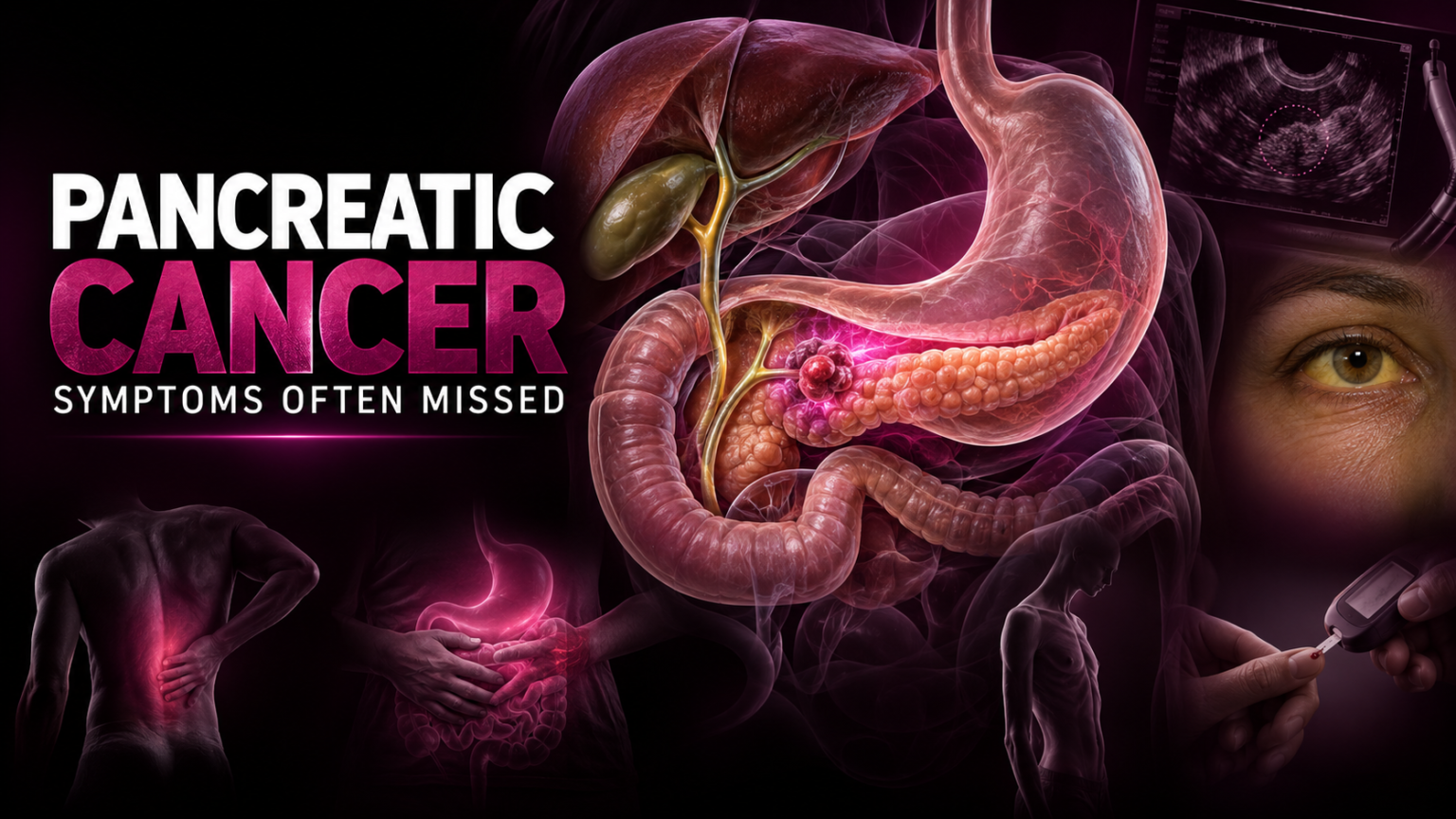
Pancreatic cancer can be difficult to recognise in its early stages.
The reason isn’t necessarily that it has no symptoms. Rather, some of its early symptoms can be subtle, vague, or easily mistaken for more common digestive problems.
Indigestion.
Loss of appetite.
Abdominal discomfort.
Back pain.
Unexplained weight loss.
These symptoms can have many causes, most of which are not cancer. But when they are persistent, unexplained, or occur together, they deserve proper medical attention.
The pancreas is a small organ located deep inside the abdomen, behind the stomach. It plays an important role in digestion and helps regulate blood sugar. Because of its location, problems affecting the pancreas may not always produce obvious symptoms at first.
This is one reason why knowing the warning signs matters.
What Is Pancreatic Cancer?
The pancreas produces digestive enzymes and hormones, including insulin, that help the body process food and regulate blood glucose.
Pancreatic cancer occurs when abnormal cells in the pancreas begin to grow uncontrollably.
There are different types of pancreatic tumours, but pancreatic ductal adenocarcinoma is the most common type of pancreatic cancer.
The disease can be challenging to detect early because the pancreas is located deep within the abdomen, and early symptoms may not be specific.
This doesn’t mean that every episode of abdominal pain or indigestion should raise concern about cancer.
It means that persistent or unexplained changes in your health should not simply be ignored.
Why Are Pancreatic Cancer Symptoms Often Missed?
One of the biggest challenges is that early symptoms can look like conditions people commonly experience.
For example, abdominal discomfort may be attributed to acidity or indigestion.
Back pain may be considered a muscle problem.
Reduced appetite may be blamed on stress.
Weight loss may initially seem intentional.
Individually, these symptoms are not specific to pancreatic cancer.
The concern increases when symptoms are persistent, unexplained, worsening, or accompanied by other warning signs.
Symptoms of Pancreatic Cancer That Should Not Be Ignored
1. Unexplained Weight Loss
Losing weight without changing your diet or exercise routine deserves attention.
Cancer can affect appetite, digestion, metabolism, and the body’s ability to use nutrients properly.
Unintentional weight loss can occur with many medical conditions, but significant or continuing weight loss without an obvious explanation should be evaluated by a doctor.
2. Persistent Abdominal Pain
Pain related to pancreatic disease may occur in the upper abdomen.
In some people, the discomfort can extend toward the back.
The pain may be persistent or may become more noticeable after eating.
There are many possible causes of abdominal pain, including ulcers, gallstones, pancreatitis, and other digestive disorders. However, pain that doesn’t settle or keeps returning should not simply be treated repeatedly without finding the underlying cause.
3. Back Pain
Because of the pancreas’ position deep inside the abdomen, pancreatic disease can sometimes cause pain that is felt in the back.
This can be particularly confusing because back pain is extremely common and is usually caused by musculoskeletal problems.
Back pain by itself does not mean pancreatic cancer.
But if persistent back pain occurs alongside unexplained weight loss, abdominal symptoms, jaundice, or digestive changes, medical evaluation becomes more important.
4. Jaundice
One of the more noticeable warning signs is jaundice, which causes the skin and whites of the eyes to become yellow.
It may occur when a pancreatic tumour blocks the bile duct, preventing bile from flowing normally into the intestine.
Jaundice may also cause:
- Dark urine.
- Pale or clay-coloured stools.
- Itching.
Jaundice should always be medically evaluated because it can have several causes, including gallstones, liver disease, and other disorders of the bile ducts and pancreas.
5. Changes in Digestion
Pancreatic problems can sometimes interfere with digestion because the pancreas produces enzymes needed to break down food.
Some people may notice:
- Bloating.
- Changes in bowel habits.
- Poor digestion.
- Greasy or unusually pale stools.
These symptoms have many possible explanations, including problems unrelated to cancer.
However, persistent changes should be discussed with a doctor rather than repeatedly treating the symptoms without investigating the cause.
6. Loss of Appetite or Feeling Full Quickly
A noticeable reduction in appetite can occur with many illnesses.
Some people with pancreatic cancer may also feel full after eating only a small amount.
When this happens together with unexplained weight loss or ongoing digestive symptoms, it deserves attention.
7. Nausea and Vomiting
Nausea and vomiting are common symptoms with many digestive conditions.
In some pancreatic diseases, however, inflammation or a tumour can interfere with normal digestion or the movement of food through the digestive system.
Persistent vomiting, especially when accompanied by abdominal pain, weight loss, jaundice, or difficulty eating, should be assessed by a doctor.
8. New or Worsening Diabetes
The relationship between the pancreas and blood sugar means pancreatic disorders can sometimes affect glucose regulation.
In some people, pancreatic cancer may be associated with new-onset diabetes or a sudden worsening of previously controlled diabetes.
This does not mean that developing diabetes means you have pancreatic cancer. Diabetes is extremely common and has many causes.
But unexplained changes in blood sugar, particularly when accompanied by other symptoms, may warrant further evaluation.
Who Has a Higher Risk of Pancreatic Cancer?
Pancreatic cancer can occur in anyone, but certain factors can increase risk.
These may include:
- Increasing age.
- Cigarette smoking.
- A family history of pancreatic cancer.
- Certain inherited genetic conditions.
- Chronic pancreatitis.
- Some metabolic conditions.
Having a risk factor does not mean that someone will develop pancreatic cancer.
Similarly, people without obvious risk factors can still develop the disease.
When Should You See a Gastroenterologist?
You don’t need to panic every time you experience indigestion or abdominal discomfort.
The more important question is whether the symptoms are persistent, unexplained, or associated with other concerning changes.
Consider seeing a doctor if you have:
- Unexplained and continuing weight loss.
- Persistent abdominal or back pain.
- New jaundice.
- Ongoing digestive changes.
- Persistent loss of appetite.
- Repeated nausea or vomiting.
- New or unexplained changes in blood sugar.
- Several of these symptoms occurring together.
Your doctor may first look for common causes and then decide whether further testing is necessary.
How Is Pancreatic Cancer Diagnosed?
There isn’t a single test that can diagnose every case of pancreatic cancer.
Depending on the symptoms and clinical findings, your doctor may recommend blood tests and imaging studies such as:
- Ultrasound.
- Contrast-enhanced CT scan.
- MRI or MRCP.
- Endoscopic ultrasound (EUS).
Endoscopic ultrasound can be particularly useful because it allows specialists to obtain detailed images of the pancreas from close range. In selected cases, a tissue sample may also be obtained using a fine needle under imaging guidance.
The choice of tests depends on the individual patient and the clinical question being investigated.
Can Pancreatic Cancer Be Detected Early?
Early detection can make a significant difference in treatment options.
However, pancreatic cancer is not routinely screened for in the general population in the same way as some other cancers.
People with certain inherited genetic syndromes or strong family histories may require specialised surveillance based on their individual risk.
For everyone else, recognising persistent or unusual symptoms and seeking appropriate medical evaluation is important.
The key is not to assume that a symptom is “just acidity” or “just indigestion” when it keeps coming back without a clear explanation.
Frequently Asked Questions
Is back pain always a symptom of pancreatic cancer?
No. Back pain is extremely common and usually has causes unrelated to pancreatic cancer. Concern is greater when persistent back pain occurs alongside other unexplained symptoms such as weight loss, abdominal pain, or jaundice.
Does indigestion mean I have pancreatic cancer?
Usually, no. Indigestion has many common causes. Persistent or unexplained digestive symptoms, particularly when accompanied by weight loss or jaundice, should be evaluated rather than repeatedly self-treated.
Is jaundice a sign of pancreatic cancer?
Jaundice can occur with pancreatic cancer, particularly when a tumour blocks the bile duct. However, gallstones, liver disease, bile duct disorders, and other conditions can also cause jaundice.
Can pancreatic cancer cause diabetes?
Pancreatic cancer can be associated with new-onset or worsening diabetes in some people. However, diabetes is very common and usually has other causes.
Which doctor should I see if I am worried about pancreatic symptoms?
A gastroenterologist can evaluate persistent digestive symptoms and determine whether pancreatic or other gastrointestinal investigations are necessary.
Listen to Persistent Changes in Your Body
Pancreatic cancer can be difficult to recognise early, but that doesn’t mean its symptoms should be ignored.
The important lesson is not to become alarmed by every episode of acidity, back pain, or indigestion. Instead, pay attention when something is persistent, unexplained, getting worse, or accompanied by other warning signs.
Unintentional weight loss, jaundice, continuing abdominal or back pain, digestive changes, and unexplained changes in blood sugar all deserve appropriate medical attention.
Many of these symptoms are caused by conditions that are far more common than pancreatic cancer. The purpose of evaluation is not to assume the worst—it is to find the real cause and treat it appropriately.
When pancreatic disease is suspected, timely assessment by an experienced gastroenterologist can help determine what investigations are appropriate and whether further specialist care is needed.
Pancreatic Care at SIGLS
At Sai Institute of Gastroenterology & Liver Sciences (SIGLS), patients with pancreatic and other gastrointestinal disorders are evaluated using a combination of clinical assessment, appropriate imaging, and advanced diagnostic techniques when required.
Conditions affecting the pancreas can be complex, and symptoms may overlap with several other digestive disorders. A careful evaluation is therefore important before deciding on further testing or treatment.
The focus is on understanding the underlying problem and choosing the most appropriate investigation and treatment for each patient.