Sai Institute of Gastroenterology And Liver Sciences

10 Early Warning Signs of Colon Cancer You Should Never Ignore
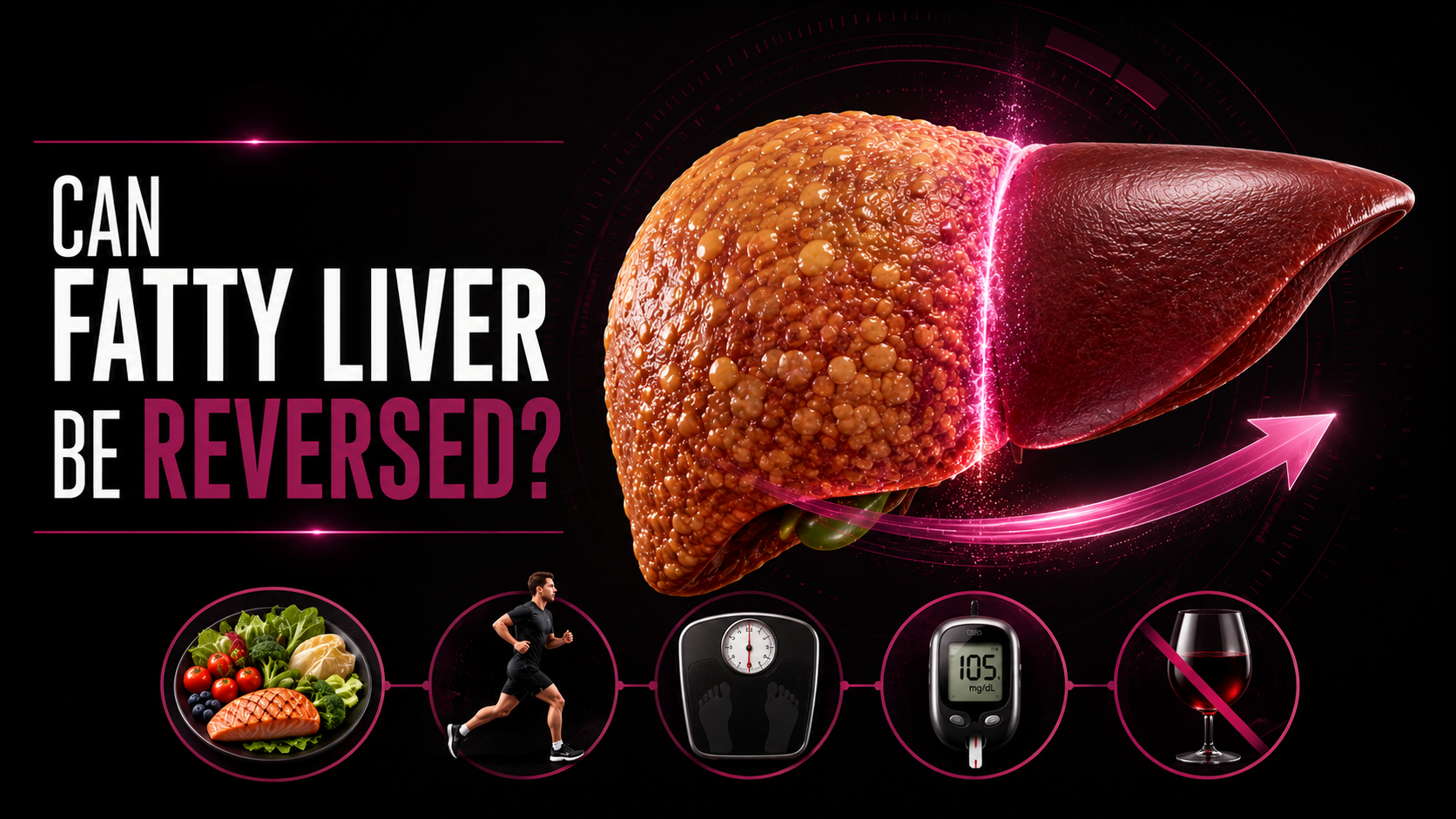
Yes, in many cases, fatty liver disease can be reversed, especially when detected early. By addressing the underlying cause—whether it’s obesity, diabetes, poor dietary habits, or alcohol consumption—the liver can gradually heal itself. The key is early diagnosis, timely lifestyle changes, and regular medical follow-up. However, if fatty liver progresses to significant scarring (cirrhosis), the damage may no longer be fully reversible, making early intervention essential.
You Didn't Feel Sick... So Why Does Your Ultrasound Say "Fatty Liver"?
It often comes as a surprise.
You go for a routine health check-up, perhaps because of a company medical examination or a health package. Everything seems fine until the ultrasound report mentions two unexpected words:
“Fatty Liver.”
Suddenly, questions start racing through your mind.
Is it serious?
Have I permanently damaged my liver?
Will I need lifelong medication?
Can it be cured?
If you’ve recently been diagnosed with fatty liver, you’re not alone. Millions of people around the world have this condition, and many discover it completely by accident because it often causes no symptoms in its early stages.
The good news is that, unlike many other health conditions, the liver has a remarkable ability to repair itself. In many patients, fatty liver can improve—and even reverse—when the underlying cause is identified and managed early.
The challenge is that many people ignore the diagnosis because they feel perfectly healthy. Unfortunately, untreated fatty liver can gradually progress over time and increase the risk of more serious liver disease.
In this article, we’ll explain what fatty liver disease really is, whether it can be reversed, what causes it, and the practical steps you can take to protect one of the hardest-working organs in your body.
What Is Fatty Liver Disease?
Your liver performs hundreds of essential functions every day. It helps digest food, stores nutrients, removes toxins from the bloodstream, produces important proteins, and plays a central role in your body’s metabolism.
Normally, the liver contains only a small amount of fat.
Fatty liver disease develops when too much fat accumulates inside liver cells. While a small amount of fat isn’t harmful, excessive fat can interfere with the liver’s normal function and, over time, lead to inflammation and liver damage.
Today, doctors commonly classify fatty liver into two broad categories:
- Metabolic Dysfunction-Associated Steatotic Liver Disease (MASLD)
Previously known as Non-Alcoholic Fatty Liver Disease (NAFLD), this is the most common type of fatty liver. It is closely linked to conditions such as:
- Obesity
- Type 2 diabetes
- High cholesterol or triglycerides
- High blood pressure
- Insulin resistance
- Metabolic syndrome
Even people who don’t consume alcohol can develop fatty liver if these risk factors are present.
2. Alcohol-Related Liver Disease
Excessive alcohol intake can also cause fat to build up inside liver cells. Continued alcohol consumption may eventually lead to inflammation, scarring, and serious liver disease.
Although the causes differ, both conditions require proper evaluation because the treatment approach depends on identifying what’s causing the fat accumulation.
Can Fatty Liver Really Be Reversed?
This is the question almost every patient asks after receiving their diagnosis.
The answer is encouraging:
Yes, early-stage fatty liver can often be reversed.
Unlike scar tissue, fat stored inside liver cells can gradually decrease when the underlying cause is corrected.
For example:
- Losing excess body weight can reduce fat within the liver.
- Improving blood sugar control helps reduce ongoing liver injury.
- Regular exercise improves the way the body processes fat.
- Stopping alcohol allows the liver to begin repairing itself.
- A balanced diet reduces the burden on the liver over time.
However, it’s important to understand that reversing fatty liver doesn’t happen overnight.
The liver needs time to heal, and lasting improvement depends on consistent lifestyle changes rather than quick fixes or “detox” products.
Does Every Fatty Liver Patient Need Medication?
One of the biggest misconceptions is that every diagnosis of fatty liver requires tablets or supplements.
In reality, medication is not always the first step.
For many patients with early-stage fatty liver, lifestyle modification remains the most effective treatment.
Your doctor may recommend:
- Gradual weight loss
- A healthier eating pattern
- Increased physical activity
- Better control of diabetes
- Management of cholesterol
- Avoiding or limiting alcohol
In some situations, medicines may be prescribed to manage associated conditions or selected patients with more advanced disease, but there is no single pill that cures fatty liver.
That’s why sustainable lifestyle changes remain the cornerstone of treatment.
What Causes Fat to Build Up in the Liver?
Many people assume that only heavy alcohol consumption causes fatty liver.
The truth is far more complex.
Your liver constantly processes fats, sugars, and nutrients from the food you eat. When more fat is delivered to the liver than it can process or remove, fat begins to accumulate inside liver cells.
Several factors contribute to this process.
- Excess Body Weight
Being overweight or obese is one of the strongest risk factors for fatty liver disease. Excess body fat, especially around the abdomen, increases the amount of fat delivered to the liver.
Type 2 Diabetes
Poor blood sugar control makes it harder for the body to use insulin effectively. This can lead to increased fat storage within the liver and a higher risk of liver inflammation.
High Cholesterol and Triglycerides
Abnormal blood fat levels are commonly associated with fatty liver and often occur alongside obesity and diabetes.
Poor Dietary Habits
Regular consumption of sugary beverages, processed foods, refined carbohydrates, and excessive calories can contribute to fat accumulation in the liver.
Lack of Physical Activity
A sedentary lifestyle slows the body’s ability to burn stored fat, making fatty liver more likely to develop.
Alcohol
Excessive alcohol consumption remains an important cause of fatty liver and can accelerate liver damage if continued over time.
The encouraging news is that many of these factors are modifiable. Small, consistent improvements in daily habits can have a meaningful impact on liver health.
Does Fatty Liver Cause Symptoms?
One of the reasons fatty liver often goes unnoticed is that most people don’t experience any symptoms in the early stages.
In fact, many patients discover they have fatty liver only after undergoing an ultrasound for an unrelated health concern or during a routine health check-up.
When symptoms do occur, they are usually mild and non-specific, making them easy to overlook or attribute to other conditions.
Some people may experience:
- Persistent fatigue or low energy levels
- A feeling of heaviness or discomfort in the upper right side of the abdomen
- Mild bloating
- General weakness
- Difficulty losing weight despite lifestyle changes
These symptoms are not unique to fatty liver and can occur in many other conditions. That’s why it’s important not to rely on symptoms alone. Regular health check-ups and appropriate investigations are often the only way to detect fatty liver before it progresses.
Understanding the Different Grades of Fatty Liver
After an ultrasound, many people are told they have Grade 1, Grade 2, or Grade 3 fatty liver.
Naturally, the next question is:“How serious is my condition?”
The grading simply describes how much fat is visible in the liver, not necessarily how much permanent damage has occurred.
Grade 1 Fatty Liver (Mild)
This is the earliest and most common stage.
A small amount of fat has accumulated in the liver, but the liver usually continues to function normally. Most people have no symptoms at all.
The good news is that Grade 1 fatty liver is often reversible with timely lifestyle modifications.
Grade 2 Fatty Liver (Moderate)
At this stage, a larger amount of fat has accumulated within the liver.
While many patients still feel well, some may begin experiencing fatigue or mild abdominal discomfort.
Without appropriate management, the condition may continue to progress.
Grade 3 Fatty Liver (Severe)
Grade 3 indicates significant fat accumulation within the liver.
Although this doesn’t automatically mean permanent liver damage has occurred, it signals that prompt medical evaluation and treatment are important.
Some patients with advanced fatty liver may also develop inflammation, a condition known as steatohepatitis, which increases the risk of liver scarring over time.
Can Fatty Liver Become Cirrhosis?
This is one of the biggest concerns patients have after diagnosis.
The answer is:
It can—but not everyone with fatty liver develops cirrhosis.
In many people, fatty liver remains stable or improves with treatment.
However, if excessive fat continues to cause ongoing inflammation for years, the liver may gradually develop scar tissue. This process is known as fibrosis.
As fibrosis becomes more extensive, it can eventually lead to cirrhosis, where normal liver tissue is replaced by permanent scarring.
Cirrhosis affects the liver’s ability to perform its vital functions and increases the risk of liver failure and liver cancer.
The reassuring news is that progression usually takes years, giving patients a valuable opportunity to intervene early and protect their liver.
How Is Fatty Liver Diagnosed?
Diagnosing fatty liver isn’t based on a single test.
Doctors combine your medical history, physical examination, blood tests, and imaging studies to understand not only whether fat is present but also whether the liver has developed inflammation or scarring.
- Ultrasound
An abdominal ultrasound is the most common investigation used to detect fatty liver. It’s painless, widely available, and often identifies fat accumulation before symptoms appear. However, ultrasound cannot always determine the severity of liver damage.
Blood Tests
Your doctor may recommend liver function tests to assess liver health. It’s important to remember that normal liver enzyme levels do not always rule out fatty liver, and abnormal results don’t necessarily indicate permanent liver damage. Blood tests are only one part of the overall assessment.
FibroScan
A FibroScan is a specialised, non-invasive test that measures liver stiffness. This helps doctors determine whether significant scarring (fibrosis) has developed without requiring surgery or hospital admission. For many patients, FibroScan provides valuable information when planning treatment and long-term follow-up.
CT Scan or MRI
In certain situations, additional imaging may be recommended to evaluate the liver more thoroughly or to investigate other abnormalities. These tests are not routinely required for every patient with fatty liver.
Liver Biopsy
A liver biopsy is performed only in selected cases where additional information is needed to guide treatment. Although it remains the most accurate method for assessing liver inflammation and scarring, advances in imaging have significantly reduced the need for biopsy in many patients.
Can Lifestyle Changes Really Reverse Fatty Liver?
The simple answer is yes.
For most people with early-stage fatty liver, lifestyle changes remain the most effective treatment.
Unlike many chronic diseases, fatty liver often responds remarkably well to consistent improvements in everyday habits.
The goal isn’t to follow a crash diet for a few weeks.
The goal is to create sustainable changes that your liver—and your overall health—will benefit from for years to come.
Aim for Gradual Weight Loss
If you’re overweight, losing even 5–10% of your body weight can significantly reduce fat accumulation within the liver.
Rapid weight loss isn’t recommended, as it may actually place additional stress on the liver.
Slow, steady progress is far more effective.
Choose Foods That Support Liver Health
There’s no single “fatty liver diet.”
Instead, focus on a balanced eating pattern that includes:
- Fresh vegetables and fruits
- Whole grains
- Lean sources of protein
- Healthy fats such as nuts and seeds
- Plenty of water
Try to limit:
- Sugary drinks
- Packaged snacks
- Deep-fried foods
- Highly processed meals
- Excessive sweets
Healthy eating isn’t about eliminating every favourite food—it’s about making better choices more consistently.
Stay Physically Active
Exercise helps the body use stored fat more efficiently and improves insulin sensitivity.
You don’t need to become an athlete.
Activities such as:
- Brisk walking
- Cycling
- Swimming
- Light strength training
- Yoga
performed regularly can make a meaningful difference to both liver health and overall wellbeing.
The most effective exercise is often the one you can continue doing consistently.
Control Diabetes, Blood Pressure and Cholesterol
Fatty liver rarely occurs in isolation.
Managing associated conditions such as diabetes, hypertension, and abnormal cholesterol levels is equally important for reducing ongoing liver damage and improving long-term health outcomes.
Avoid Alcohol if Advised
For people with alcohol-related liver disease, stopping alcohol is essential.
Even in those with metabolic fatty liver disease, your doctor may advise limiting or avoiding alcohol depending on your liver health.
The recommendation is always individualised, so it’s important to discuss this during your consultation rather than relying on general advice.
Common Myths About Fatty Liver
There’s a lot of misinformation about fatty liver disease, especially on social media and the internet. Let’s separate myths from facts.
Myth 1: Only People Who Drink Alcohol Get Fatty Liver
Fact:
This is one of the biggest misconceptions.
Today, most people diagnosed with fatty liver have metabolic dysfunction-associated steatotic liver disease (MASLD), previously known as non-alcoholic fatty liver disease (NAFLD). It is commonly associated with obesity, diabetes, high cholesterol, and an inactive lifestyle—not alcohol.
Myth 2: Fatty Liver Always Causes Symptoms
Fact:
Most people with fatty liver feel completely healthy, especially during the early stages.
This is why regular health check-ups are so important. Waiting for symptoms may delay diagnosis and treatment.
Myth 3: If My Liver Tests Are Normal, My Liver Is Healthy
Fact:
Not necessarily.
Some people with fatty liver have completely normal liver enzyme levels. That’s why doctors consider your medical history, blood tests, ultrasound, and, when required, specialised investigations such as FibroScan to assess overall liver health.
Myth 4: Liver Detox Drinks Can Cure Fatty Liver
Fact:
There’s currently no scientific evidence that detox drinks, herbal supplements, or “liver cleansing” products can reverse fatty liver disease.
Many of these products are marketed with impressive claims but lack strong clinical evidence. Some herbal preparations may even harm the liver.
The most effective treatment remains healthy eating, regular physical activity, weight management, and treating associated medical conditions.
Myth 5: Once You Have Fatty Liver, It Can Never Improve
Fact:
In many cases, the opposite is true.
When diagnosed early, fatty liver often improves significantly with sustained lifestyle changes and appropriate medical care.
The liver has an extraordinary ability to recover when the underlying cause is addressed before permanent scarring develops.
When Should You See a Gastroenterologist?
A diagnosis of fatty liver shouldn’t cause panic, but it shouldn’t be ignored either.
You should consider consulting a gastroenterologist if:
- Your ultrasound shows fatty liver.
- Your liver function tests are repeatedly abnormal.
- You have diabetes, obesity, or metabolic syndrome.
- You experience persistent fatigue or discomfort in the upper abdomen.
- You have a family history of liver disease.
- Your doctor recommends further evaluation with FibroScan or additional investigations.
Seeing a specialist early allows the underlying cause to be identified and helps determine whether your liver has developed inflammation or scarring.
Most importantly, it provides an opportunity to prevent future complications.
Frequently Asked Questions
How long does it take to reverse fatty liver?
There isn’t a single timeline that applies to everyone.
The rate of improvement depends on factors such as the severity of fatty liver, body weight, blood sugar control, physical activity, and how consistently lifestyle changes are maintained. Some patients begin showing improvement within a few months, while others require longer-term management.
Can Grade 1 fatty liver be completely reversed?
In many patients, yes.
Grade 1 fatty liver often responds well to weight management, healthy eating, regular exercise, and treatment of associated conditions. Early diagnosis offers the best opportunity for improvement.
Is fatty liver dangerous?
Early fatty liver itself may not cause immediate health problems, but ignoring it can increase the risk of inflammation, fibrosis, cirrhosis, and other metabolic complications over time.
That’s why regular monitoring and timely intervention are important.
Can I eat rice if I have fatty liver?
Yes.
Rice doesn’t need to be completely avoided. Portion size, overall dietary balance, and choosing less processed carbohydrates where possible are generally more important than eliminating a single food.
Your diet should be tailored to your overall health, weight, and medical conditions rather than following restrictive internet advice.
Do I need medicines for fatty liver?
Not everyone does.
For many patients, lifestyle modification remains the primary treatment. Medicines may be recommended to manage diabetes, cholesterol, obesity, or selected liver conditions depending on individual circumstances.
Can thin people develop fatty liver?
Yes.
Although obesity increases the risk, fatty liver can also occur in people with a normal body weight, particularly if they have diabetes, high cholesterol, genetic predisposition, or other metabolic risk factors.
Can fatty liver come back after it improves?
Yes.
If healthy habits are abandoned and the underlying risk factors return, fat can accumulate in the liver again.
Maintaining long-term lifestyle changes is essential for protecting liver health.
A Final Thought
Receiving a diagnosis of fatty liver can feel worrying, especially when you’ve never experienced any symptoms.
But it’s worth remembering one important fact:
A fatty liver diagnosis is often an opportunity – not just a warning.
It’s an opportunity to make changes that improve not only your liver health but also your overall wellbeing.
Healthy eating, regular exercise, weight management, and controlling conditions such as diabetes and high cholesterol don’t just protect your liver. They also reduce the risk of heart disease, stroke, and several other long-term health problems.
The liver is one of the few organs in the human body with an incredible capacity to heal.
When fatty liver is identified early and managed appropriately, many people can significantly improve their liver health and reduce the risk of future complications.
The most important step isn’t finding the perfect diet or miracle supplement.
It’s taking the diagnosis seriously and beginning the journey towards healthier habits – one step at a time.
Expert Fatty Liver Care at SIGLS
At Sai Institute of Gastroenterology & Liver Sciences (SIGLS), we understand that every patient with fatty liver is different.
Some simply need reassurance and guidance on lifestyle changes, while others require a detailed evaluation to identify inflammation, fibrosis, or associated liver conditions.
Our team provides comprehensive assessment using modern diagnostic tools, evidence-based treatment plans, and personalised follow-up care tailored to each patient’s needs.
Whether you’ve recently been diagnosed during a routine health check-up or have ongoing liver-related concerns, early consultation can help clarify your condition and guide you towards the most appropriate management plan.
Our focus is not just on treating liver disease—but on helping patients protect their liver health for the future.